Who Built It, and Why?

谁建造了它?为什么? · Göbekli Tepe, part 2

The builders
hunter-gatherer

hunter-gatherer 狩猎采集者

A person who gets food by hunting wild animals and gathering wild plants.
Neolithic

Neolithic 新石器时代

The New Stone Age, when people began to farm and live in villages.
farming

farming 农耕

Growing plants and raising animals for food.

What did they eat?

  • Gazelle, hunted in big numbers in late summer.
  • Wild boar, wild cattle and birds.
  • Wild wheat, barley, pistachios and almonds.
  • They ground grain on stones: archaeologists found more than 7,000 grinding stones.
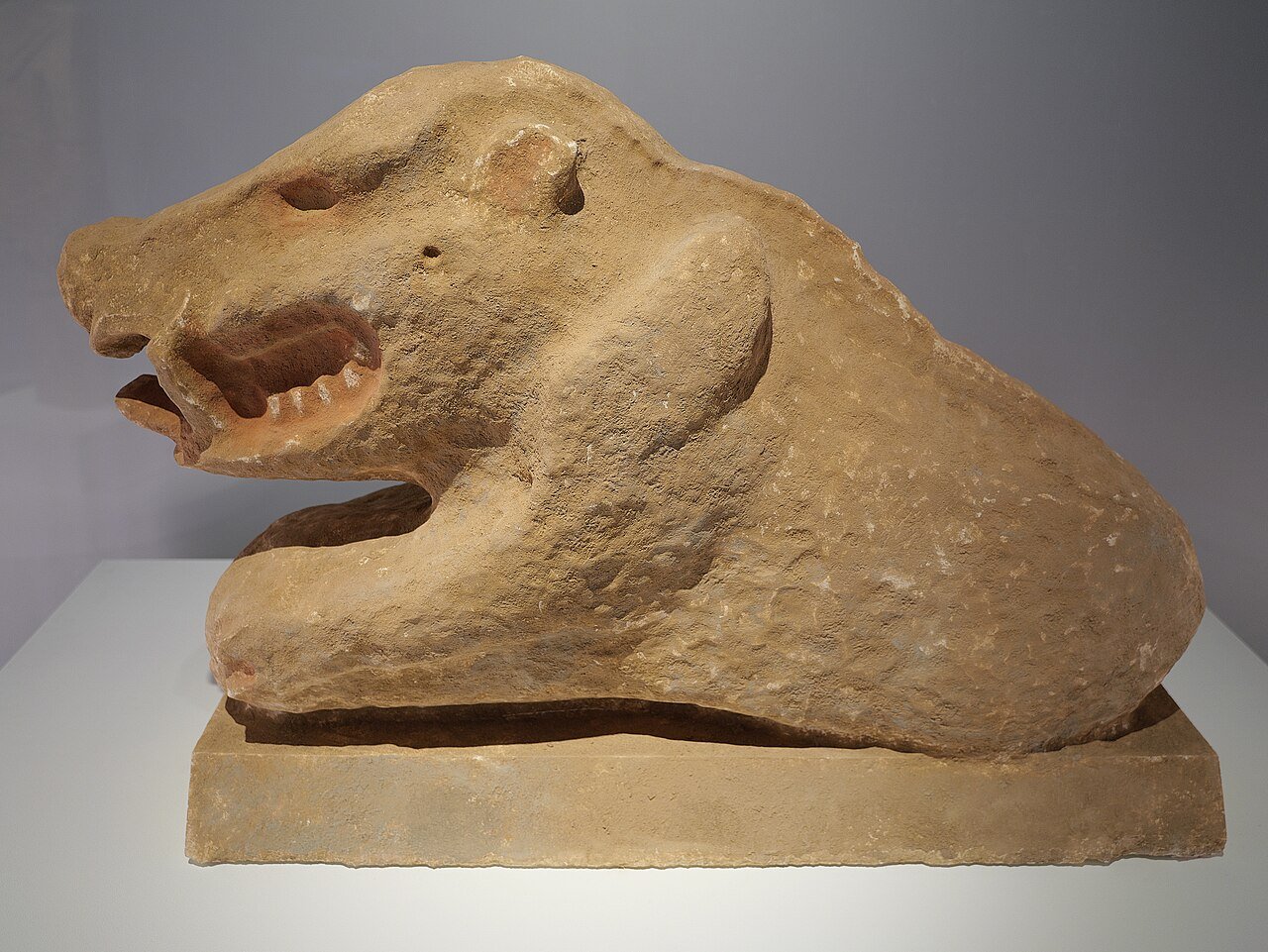
A stone statue of a wild boar with an open mouth and sharp teeth

A wild boar statue from Göbekli Tepe (a museum copy).

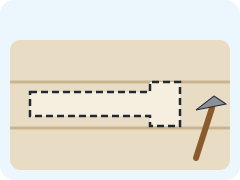
From the quarry

  1. The hill is limestone, in natural layers.
  2. Workers cut a pillar shape into the rock with flint picks.
  3. They lifted it out, probably with wooden beams.
  4. They moved it a few hundred meters to the building.

One unfinished pillar, about 7 m long, still lies in the quarryquarry 采石场A place where people cut stone out of the ground.History Vocab ↗.
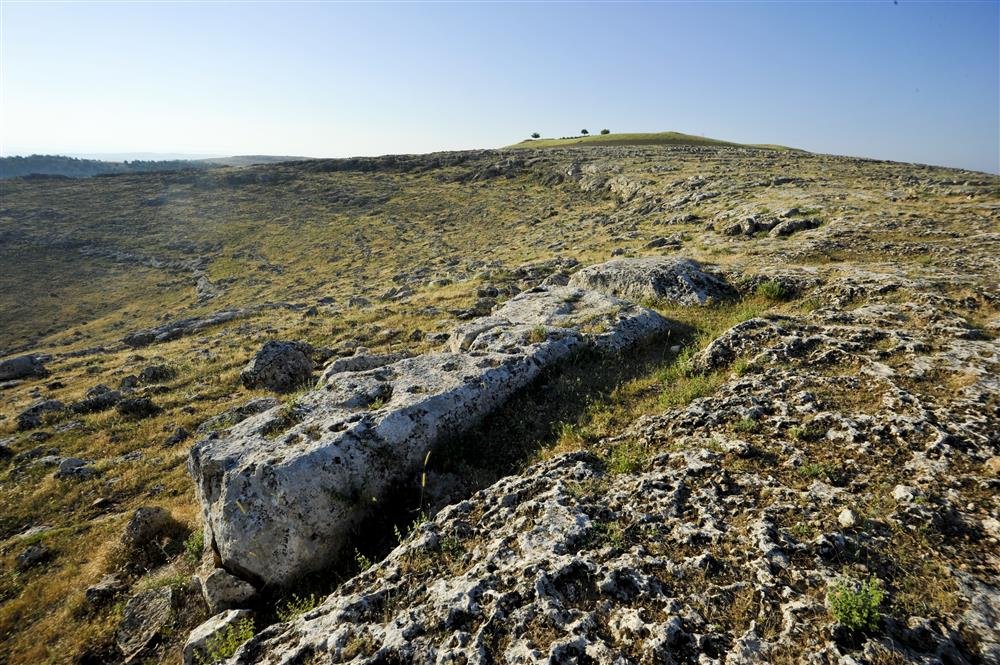
A long stone pillar lying in rocky ground on a hilltop

A pillar lying in the rock on the hilltop near the site.

How many people?

  • Old idea: hundreds of workers were needed to move one pillar.
  • New tests: about 7 to 14 people with ropes could move a pillar.
  • So a big family or a small village could have built a building in a few months.

Think-pair-share

How would you move a 10-tonne stone, with no machines and no metal?

Evidence or guess?

Evidence 证据: what we found

  • carved pillars and statues
  • flint tools and grinding stones
  • gazelle bones and burnt seeds
  • channels and tanks for rainwater

A guess: what it might mean

  • “It was a temple.”
  • “The pillars are gods.”
  • “People came only for big feasts.”
  • “Nobody lived there.”

Evidenceevidence 证据Facts or objects that show whether an idea is true.History Vocab ↗ is something we can see and check. A guess is an idea about what the evidence means.

Archaeologists changed their minds

The first idea (1990s)

“The world’s first temple.” People lived far away. They came to the hill only to build, feast and worship.

Newer evidence (2010s)

  • remains of houses
  • rainwater tanks holding at least 150,000 liters
  • thousands of tools for cooking and grinding food

Today: people probably lived there and met there for special events. The team no longer calls it a “temple”.

Did it start farming?

  • Old idea: building Göbekli Tepe pushed people to start farming, to feed all the workers.
  • Evidence: all the grain and animals at the site were wild.
  • But the world’s first wheat farms grew in this same region, not long after.
  • So the link is still an open question.

Not the only one

  • Archaeologists have found more T-pillar sites in the hills around Şanlıurfa, like Karahan Tepe and Nevalı Çori.
  • Together they are called Taş Tepeler, Turkish for “Stone Hills”.
  • In 2018, Göbekli Tepe became a UNESCO World Heritage Site.

Exit ticket

Which one is evidence, not a guess?

Picture credits

  • Title: the main excavation area from above, photo by E. Kücük, German Archaeological Institute, CC BY 4.0, via Wikimedia Commons.
  • Wild boar statue: photo by Bautsch, CC0, via Wikimedia Commons.
  • Unfinished pillar: photo by Pouazity3, CC BY-SA 4.0, via Wikimedia Commons.
  • Drawings: original, made for this course. Full list: images/CREDITS.md.